October 10, 2026
Why Medical Alarms NZ Matter for Ageing in Place
By @themedicalalarmsnzguide
When I first helped my mother set up a medical alarm a few years ago, I thought it would be a simple device she could press if she fell. What I did not expect was how much peace of mind it would give both of us. She is in her late seventies, still living in her own home in Auckland, and she wants to stay there as long as possible. That desire to age in place is common among seniors across New Zealand, but it comes with real risks, especially the risk of a fall with no way to call for help.
Medical alarms have evolved a long way from the basic pendant that only works inside the house. Today, the best medical alarms NZ offer features like GPS tracking, fall detection, and two-way calling, all designed to keep seniors safe whether they are at home, in the garden, or out walking to the local shops. The technology has matured, and the market now includes several solid options. But choosing the right system means thinking about your own situation, not just picking the most advertised brand.
What Has Changed in Medical Alert Technology
A decade ago, most personal medical alarms were simple press-button pendants that connected to a landline. If you pressed the button, a call centre would contact a family member or an ambulance. That still works for some people, but the limitations are clear. If you fall and cannot reach the button, or if you leave the house and have an emergency outside, the pendant is useless.
Modern devices have moved well beyond that. Fall detection sensors can now identify a sudden drop and automatically trigger an alert without you pressing anything. GPS tracking means the system knows your location even if you are out of the house. Two-way calling lets you speak directly to a trained operator who can assess the situation and send the right help. For someone like my mother, who still drives to the supermarket and walks her dog in the local reserve, these features are not extras. They are essentials.
The shift towards cellular and mobile connectivity has also been important. Many current medical alarms NZ operate on the 4G or 5G networks, so they work anywhere there is mobile coverage. That covers most of New Zealand, including smaller towns like Manukau and rural areas outside Christchurch. It means a senior can travel to visit family in Wellington and still have the same protection.
Key Features to Look For
Not every medical alarm offers the same set of features, and not every feature matters to every person. Here are the ones I have found make the biggest difference in daily use.

- Fall detection - This is the feature that matters most if you are unsteady on your feet or have a condition that increases fall risk. Automatic detection can save minutes or even hours if you are unconscious or unable to press a button.
- GPS tracking - If the person using the alarm is active and goes outside the home, GPS is invaluable. It lets responders find them quickly, even if they cannot describe where they are.
- Two-way calling - Being able to talk through the device to a caregiver or monitoring centre adds a layer of reassurance. The operator can confirm whether help is needed and can stay on the line until help arrives.
- No monthly fees - Some providers, such as Familyr, offer the device with no ongoing subscription costs. That can be a huge relief for seniors on fixed incomes, because a one-time purchase is far easier to budget for than a monthly bill that might increase over time.
- Water resistance - Many falls happen in the bathroom or shower. A pendant that is water-resistant and can be worn while bathing is far more practical than one you have to take off.
I would add one more thing that is often overlooked: ease of charging. Some devices have long battery life measured in months, while others need charging every few days. If the person using the alarm is forgetful or has limited mobility, a device that only needs charging once a month or less is far more reliable in practice.
How New Zealand Providers Compare
The market in New Zealand has grown noticeably in the last few years. Providers such as St John New Zealand and Philips Lifeline have long offered monitored alarms, often with a monthly subscription. They have good backup and established monitoring centres. But newer options have changed the landscape.
Familyr, for example, focuses on giving family members the ability to monitor alerts directly, rather than routing everything through a call centre. That appeals to families who want to stay closely involved. Their devices include fall detection, GPS tracking, and two-way calling, and they charge no monthly fees. For a family with several members who can respond quickly, this model works well because it removes the ongoing cost barrier.
Other brands like Vayda and Fall Alert also offer devices with similar feature sets. The choice often comes down to whether you prefer a monitored service with a call centre or a family-monitored system, and whether you want to pay a monthly fee or a single upfront cost. I have seen both approaches work well for different people. My aunt in Christchurch uses a monitored service from Care NZ because she lives alone and her children are in Australia. She values knowing a professional operator will answer any time of day. My mother, by contrast, has her daughter and son-in-law living ten minutes away, so the family-monitored model suits her better.
Practical Considerations for Choosing a Device
Before you buy any medical alarm, there are a few practical questions to work through. The first is coverage. Does the device rely on a landline, or does it use mobile networks? If it uses mobile, which network does it run on, and does that network have good coverage where you live? Most devices in New Zealand now use Spark or Vodafone networks, but it is worth confirming, especially if you live in a rural area.
The second question is about the pendant itself. Some pendants are large and clunky, and seniors may refuse to wear them because they look unattractive or feel uncomfortable. I have seen that happen. It is better to choose a pendant that is compact, lightweight, and comes in a style the person will actually wear. A few providers now offer pendants that look like a normal piece of jewellery or a smartwatch, which helps with acceptance.
The third question is about battery life and charging. A device that needs to be charged every night is a device that will eventually be left uncharged. Look for something that lasts at least several days, ideally weeks, on a single charge. Better yet, some devices use replaceable batteries that last months.
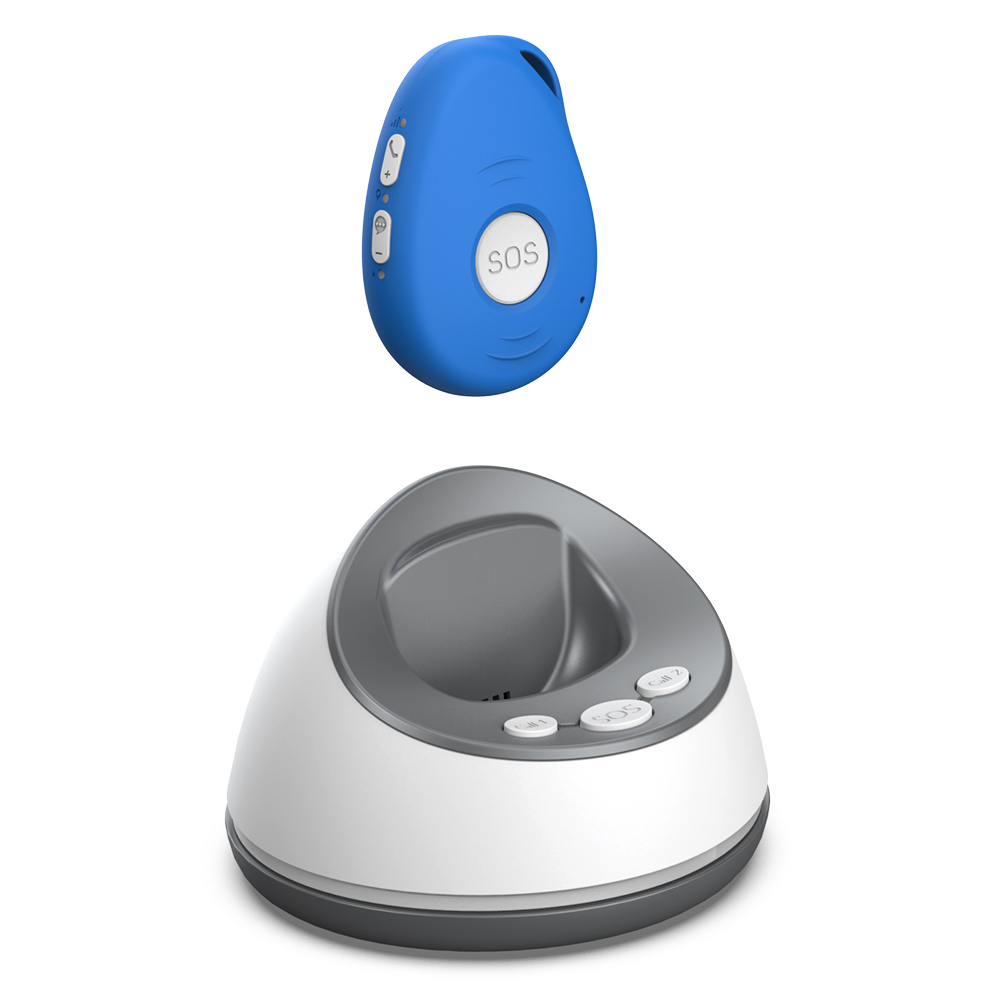
The fourth question is about the response process. If the alarm is triggered, who gets notified? Is it a family member, a neighbour, a professional monitoring centre, or all of the above? Make sure the system matches the real availability of the people who would respond. A system that only alerts a family member who works night shifts and sleeps during the day is not going to be effective.
Falls: The Real Risk for Seniors
According to the Ministry of Health NZ, falls are the leading cause of injury-related hospitalisations for seniors in this country. The statistics are sobering. One in three people over 65 falls each year, and the consequences can be severe, especially if the person lies on the floor for a long time before being found. That is where a medical alarm with automatic fall detection makes a real difference. Even if the person cannot press the button, the device can call for help within seconds.
I have heard stories from families where a parent fell in the garden and was not found for hours. In some cases, the delay turned a recoverable injury into a prolonged hospital stay. A fall alarm that detects the event and sends an alert to a family member or a monitoring centre can cut that response time from hours to minutes. That is the kind of difference that keeps people living independently for years longer than they would without it.
Emergency Response Systems and the Role of Family
Emergency response systems are only as good as the people who respond to them. A device that calls a monitoring centre is useful, but if the centre is understaffed or the operator is slow to dispatch help, the delay can be dangerous. That is why some families prefer a system where they are the first point of contact. They know their parent's routines, they know the local emergency services, and they can often get there faster than an ambulance would.
Familyr's model is built around that idea: family members receive the alert directly and can decide what to do. They can call the senior to check in, contact a neighbour, or call an ambulance if needed. The two-way calling feature means the senior can talk to the family member through the device, which adds a personal touch that a call centre cannot match. For families who are close by and willing to be on call, this can be the best of both worlds.
But it is not for everyone. If you live in a different city, or if your work means you cannot always answer the phone, a monitored service from a provider like St John New Zealand or Philips Lifeline may be a safer bet. The key is to be honest about your availability and choose accordingly.

Looking Ahead: The Future of Medical Alarms in New Zealand
The technology behind medical alarms NZ continues to improve. Sensors are becoming smaller and more accurate. Battery life is getting longer. Connectivity is expanding to more parts of the country. I expect we will see more integration with smart home devices, such as lights that turn on automatically when an alarm is triggered, or voice assistants that can be used to call for help without needing to press a button.
But the fundamentals will stay the same. A medical alarm is a tool that helps seniors live safely and independently in their own homes for as long as possible. It is not a replacement for human connection or for regular check-ins from family and friends. It is a safety net, and when it works well, it is something you hope you never need but are grateful to have when you do.
If you are considering a medical alarm for yourself or a loved one, take the time to try a few options. Talk to the providers. Ask about the specific features that matter most: fall detection, GPS tracking, two-way calling, and whether there are any monthly fees. Make sure the device will be worn, not left in a drawer. And remember that the best system is the one that fits your family's real life, not just the one with the most features on paper.
❧